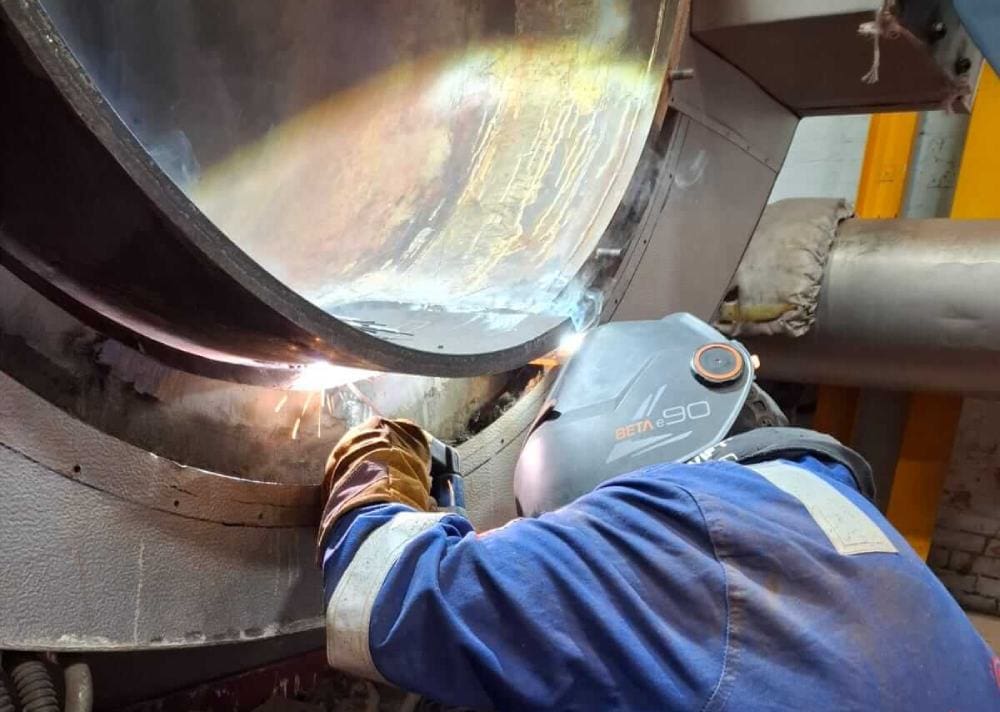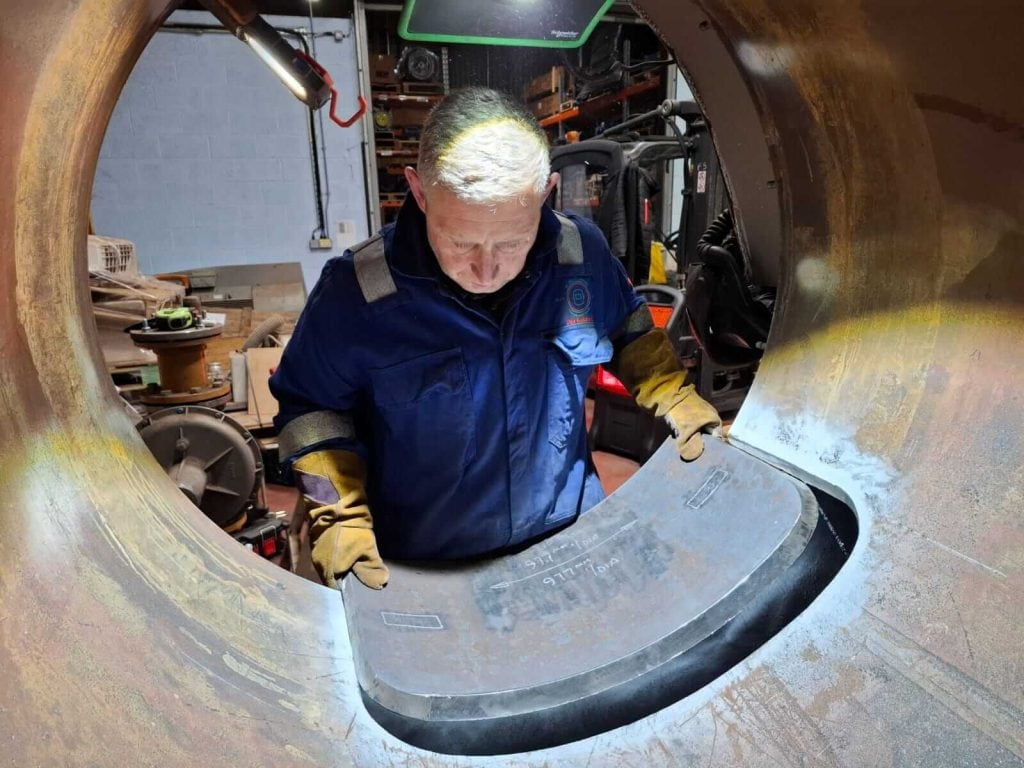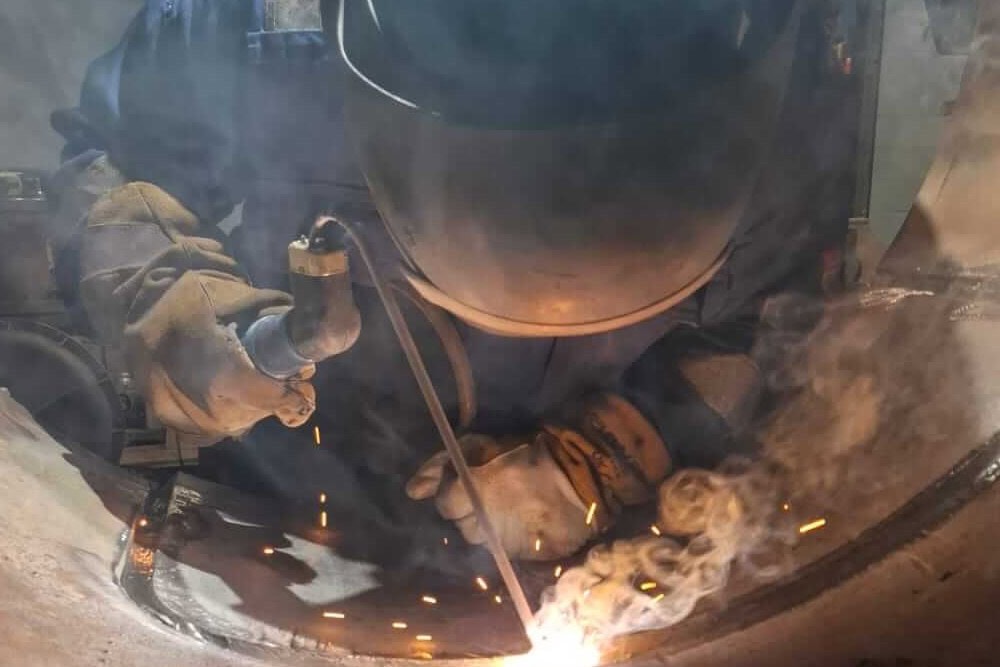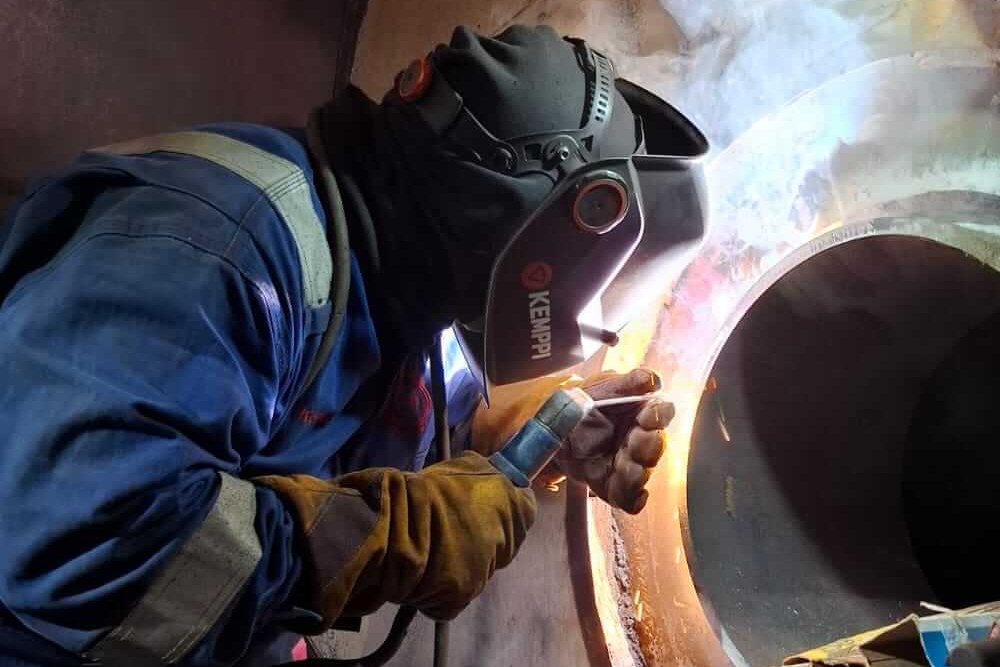
What is coded welding, and is there a difference between regular and certified welding? In short, the difference comes down to the level of skill and the type of work involved. This blog post will be your complete guide to answer your questions, covering what a coded welder does, why it’s important for safety and compliance and how you know when coded welding is required.
What is Coded Welding?
Coded welding, also known as ‘code welding’ or ‘welding codes’, is a specific type of welding that requires specialist training and assessment. A coded welder must pass stringent practical tests to be certified to specific industry standards or codes.
In the UK, these codes are a part of BS EN ISO standards, and all coded welds must meet strict safety and quality rules. To become a coded welder, an individual must undergo testing, be approved, and receive certification, with the certification being documented and traceable. Coded welding is not just about being skilled; it’s about being officially proven to be skilled for a particular type of work.
While standard welding can be carried out by experienced professionals, it may not require formal testing, and work might not meet regulated standards.
When Do You Need Coded Welding Services?
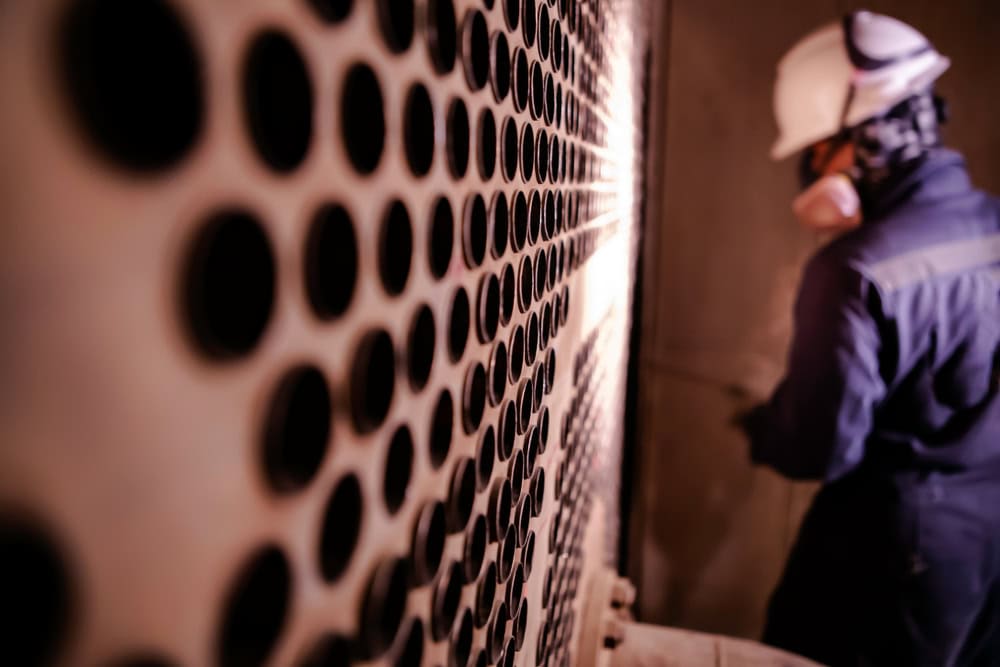
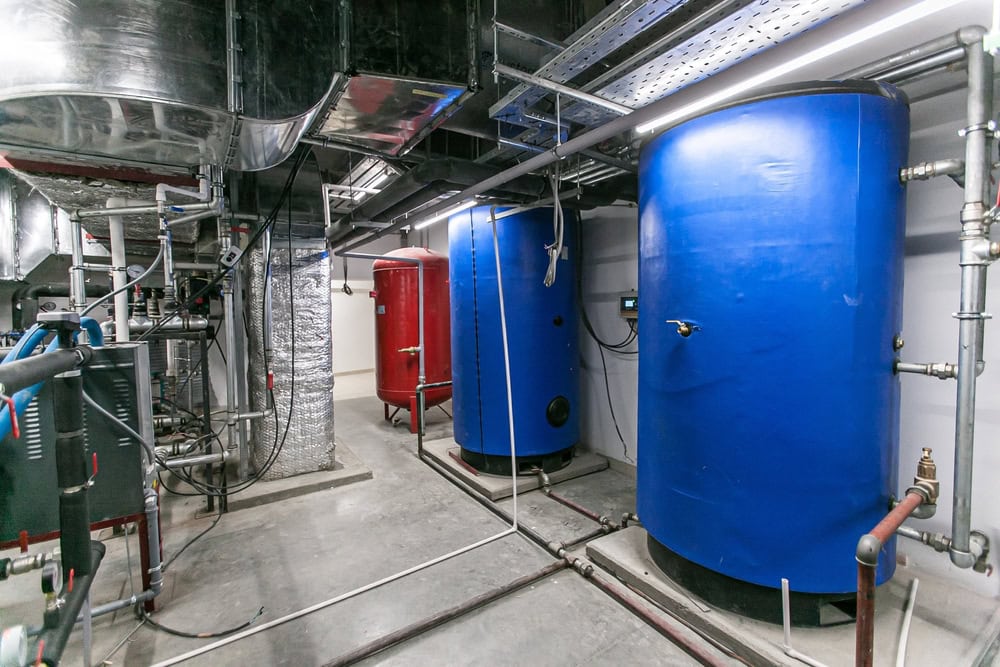
So why use a coded welder over a welding professional who isn’t coded certified? It comes down to the application and type of work required. Certified coded welding services are required for work carried out on industrial and heavy-duty systems, including pressure vessels, storage tanks, structural fabrication and process pipework. These systems must meet strict safety standards because of the extreme conditions they handle, including the storage and transportation of oils, gases and chemicals. Regular welding services for these systems simply won’t be of a safe standard, but coded welding ensures that these specialised applications are treated properly and to the right standards. Failure to perform coded welding on these can result in catastrophic consequences regarding safety. Regular servicing can help when investigating any issues that may require coded welding.
Why Coded Welding Is Critical for Safety and Compliance
Without coded welding, there is no formal proof that a weld can safely handle the loads, pressure or stresses it’s subjected to. Even welds that look acceptable on the surface can fail internally, leading to:
· Structural weakness or collapse
· Leaks in pressurised systems
· Fatigue cracking over time
· Costly repairs, downtime or safety incidents
Many construction, industrial and infrastructure projects are governed by regulations that explicitly require coded welding. Not using coded welds when appropriate can result in damaging financial and legal issues, including:
· Breach of building regulations or contract terms
· Failed inspections or refused sign off
· Legal liability in the event of failure or injury
· Enforcement action or prosecution
Coded welding also requires the paperwork and traceability that inspectors need to approve work. Without it, projects get delayed, rejected or require costly rework to meet compliance standards. Insurers will also likely insist on coded welding for higher-risk work, and failure to provide coded welds can mean insurers refuse to pay out, reduce claim settlements and challenge liability coverage.
What Does “Fully Coded” Actually Mean for a Client?
Coded welder certification proves to clients that the professional has passed recognised tests and that their welding is approved and documented. Work can be traced back to specific qualifications and standards, and clients will have clear evidence that the welding meets the necessary regulatory expectations.
Being coded does not mean a welder can perform every type of weld, and a welder may only be coded for one process or material, but not the other. Certifications are specific to:
· Welding processes – MIG, TIG, MMA, SAW, PAW, LBW
· Material type – carbon steel, stainless steel, aluminium, etc.
· Thickness range
· Welding position
Therefore, for true compliance and safety, you must ensure the welder’s certification is directly relevant to the work being carried out. This ensures the correct process and materials are used, welds meet design and load requirements and inspections and approvals are valid.
How Much Do Coded Welding Services Cost?
With the higher standards of work and regulations that both coded welders and clients must follow, the service will cost more than standard welding services for less intense applications. Coded welding costs will vary depending on technical and compliance requirements, not just time on site.
Different materials require different procedures and qualifications. For example, carbon steel is generally lower in cost, whereas materials like stainless steel, aluminium or specialist alloys increase cost due to complexity and testing. Prices for coded welding also fluctuate depending on the environment the work is taking place – on-site welding will be higher in cost due to access, safety controls and other environmental factors compared to coded welding in a controlled setting like a workshop.
The cost of coded welding may be higher, but it is worth it in the long run as you’ll have safe, compliant welds with proven competence, which prevent delays and reduce the risk of legal issues.
How to Choose the Right Coded Welding Contractor
If you’re looking for a coded welding contractor, choosing the right one comes down to a few important criteria.
· Industry experience – look for contractors that have experience in your sector and your applications, whether you need coded welding for structural steel, pipework, industrial plant or infrastructure.
· Insurance and compliance – ensure they carry appropriate public and employers’ liability insurance, as well as have experience working with building control and inspection requirements.
· Certification – you must see that the welder holds relevant and in-date certification, and a strong contractor will be versed in multiple welding codes for different materials and processes.
· Safety standards – good contractors operate under formal health and safety systems and conduct risk assessments and method statements for every job.
Need Fully Certified Coded Welding for Your Project?
Coded welding isn’t just about meeting a standard, it’s about protecting people, assets and your reputation. Cutting corners will result in devastating safety risks, legal exposure, insurance problems and costly rework or project delays.
Working with a trusted coded welding provider gives you the confidence that the job will be done safely, legally and correctly the first time. DK Welding Services Ltd provides fully compliant and qualified coded welding services nationwide. Our team can perform all types of complex and critical coded welds, provide 24/7 emergency response and bring decades of experience to ensure the highest quality standards.
Speak to our team to see if your project requires our expert coded welding services. Call us on 07749 201 728 or get a free quote using our contact form.