There are different types of welding performed every day for various applications. Standard welding, whether the individual is certified to work in the industry or performs welding at home, is used for many general fabrication and repair tasks. Coded welding, on the other hand, is performed by certified welders and involves strict welding techniques and specific configurations for heavy-duty, industrial applications.
These two different types of welding are crucial to understand, as certain applications require coded welding to meet industry standards for critical systems and to ensure safety and durability for applications like industrial boilers and pressure vessels. This blog breaks down the difference between standard welding and coded welding.
What Is Standard Welding?
Standard welding is used for many different applications, and is the fabrication process of joining two or more materials using heat and pressure to create a permanent bond.
Common applications include joining structural steel, ship building, car body assembly and repairing equipment, machinery and outdoor structures. There are also several standard welding processes used for these applications, including MIG, TIG and stick welding, which don’t require you to become certified to perform, but you can become certified for professional standard welding jobs through apprenticeships.
Standard welders may have training or experience but won’t hold the same qualifications as a coded welder to meet industry standards, but general responsibilities shared include quality control, inspection and flexible techniques depending on the job at hand.
What Is Coded Welding?
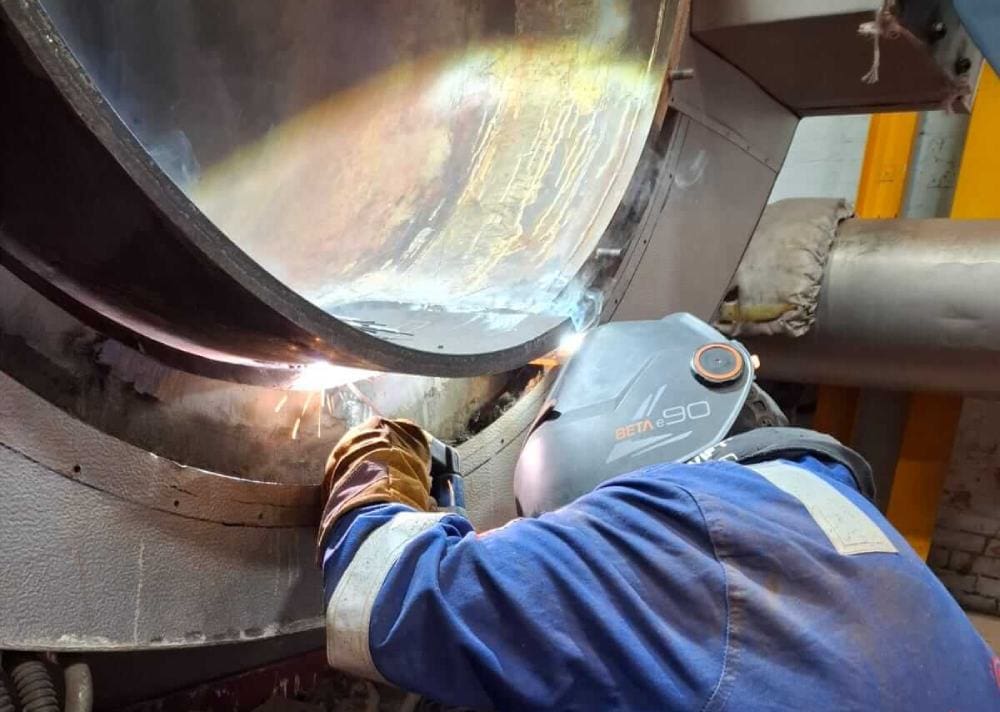
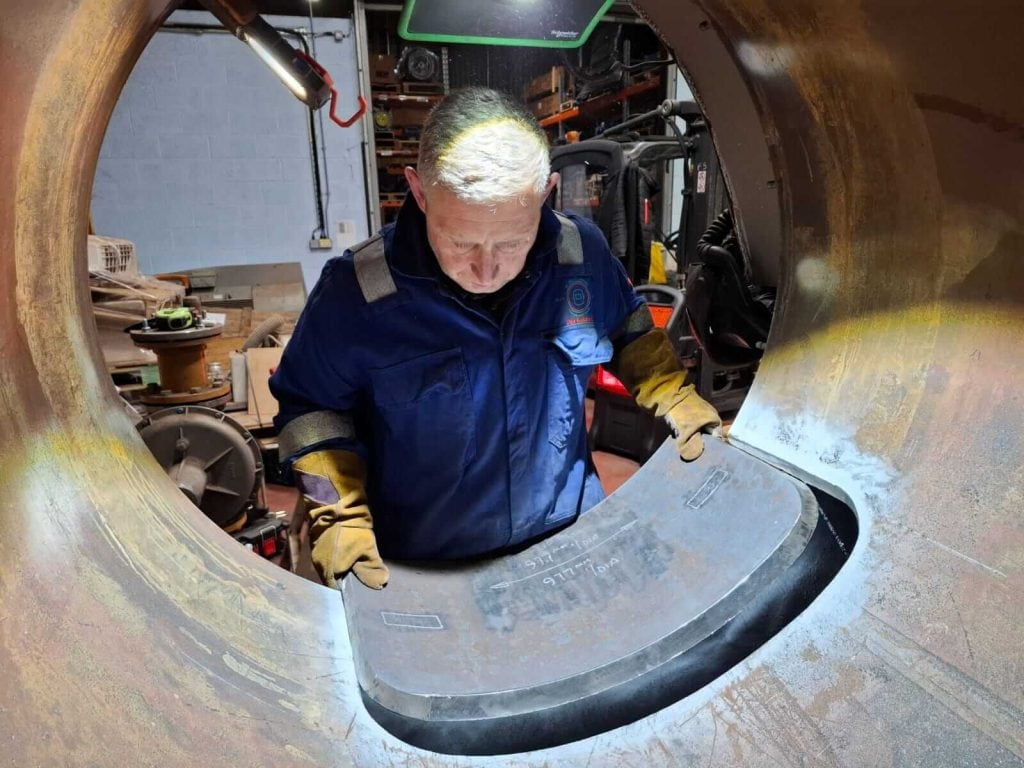
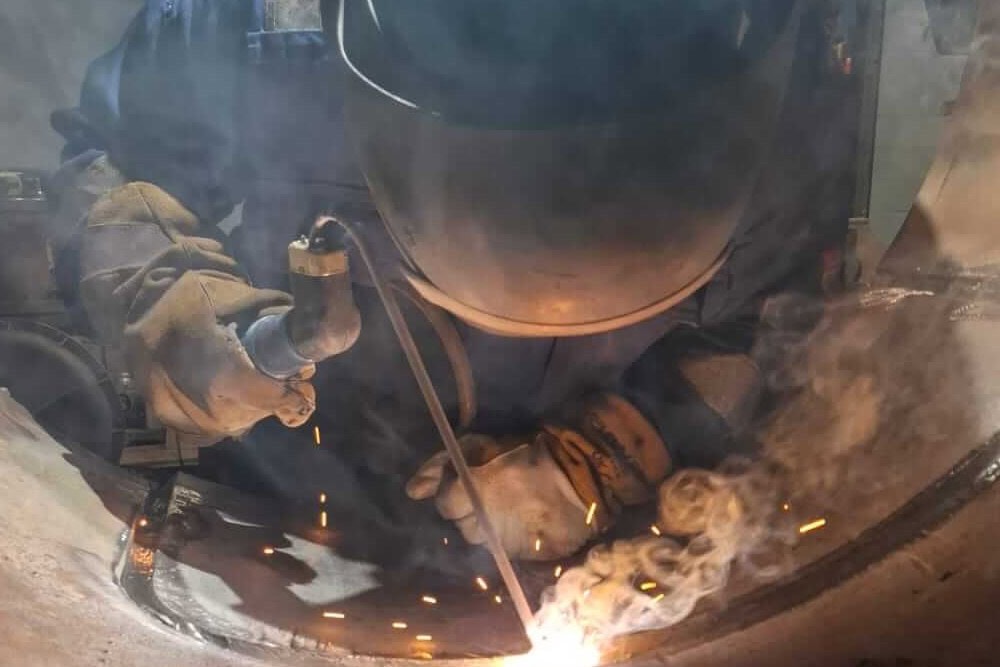
Coded welding is a type of welding that is performed by a welder who’s been certified to meet specific codes and industry standards. Coded welders must follow codes and techniques as part of BS EN ISO standards, as the welds performed are for applications that are safety critical, high-stress or high-pressure.
How does one become a coded welder? The welder must pass strict and rigorous tests under the supervision of a qualified inspector. These tests assess that coded welds are performed under specific conditions using specific techniques. The welds will then go through non-destructive testing (NDT).
Common applications for coded welding include high-pressure systems like boilers, pipework and pressure vessels, as well as structural tasks like load-bearing frameworks and industrial construction projects.
To learn more, read our guide explaining everything you need to know about coded welding.
Key Differences
These two different types of welding have some key differences.
Training and certification:
- Standard welding – doesn’t require formal certification and welders can be informally trained on standard techniques
- Coded welding – coded welders must be trained and undergo formal reviews every 6 months to confirm their work is to the required standards
Applications and use cases:
- Standard welding – appropriate for basic fabrication, small repairs and non-critical and non-load-bearing structures
- Coded welding – required for industrial and heavy-duty applications with extreme conditions, such as pressure vessels, pipework, storage tanks and structural applications that are high-risk
Safety and compliance:
- Standard welding – standard welds may not meet specific industry safety standards
- Coded welding – welds must meet strict industry codes and ensure they are technically accepted for the high-risk application and environment
Quality assurance:
- Standard welding – you don’t need to be formally certified to perform standard welding, and they don’t require strict quality checks
- Coded welding – all coded welds must be inspected and undergo non-destructive testing (NDT), or sometimes destructive testing, to ensure they’re compliant with the right code and verified to correct standards
Why Coded Welding Matters for Your Business
Choosing a coded welder over someone who only performs standard welding is imperative if you have welding tasks involving safety critical and high-risk systems. However, even if you need welding performed for standard jobs, hiring a coded welder provides the benefit of quality assurance, reliability and long-term performance.
Coded welding meets the strict BS EN ISO standards needed to reduce the risk of failures in pressure-critical, extreme heat and hazardous environments, and enhances the overall safety for employees and assets when repairs are performed.
If your business chooses standard welding over coded welding for high-risk applications, you’ll be risking catastrophic failure of your systems. Additionally, coding welding matters because you must have the required documentation to prove compliance during inspections, audits and insurance claims.
For financial reasons, using coded welding reduces the risk of costly rework and downtime, as coded welds are of the highest quality and follow specific practices to maintain durability and safety.
DK Welding Services Ltd Expertise
At DK Welding Services Ltd, we’ve been performing coded welding services for decades, and support facilities managers, operations managers and business owners across the UK. All work carried out by our team meets strict compliance, ISO standards and weld codes. Our coded welding expertise include TIG, MIG, and MNAW, so you can be sure you’ll receive the appropriate weld for your safety-critical application.
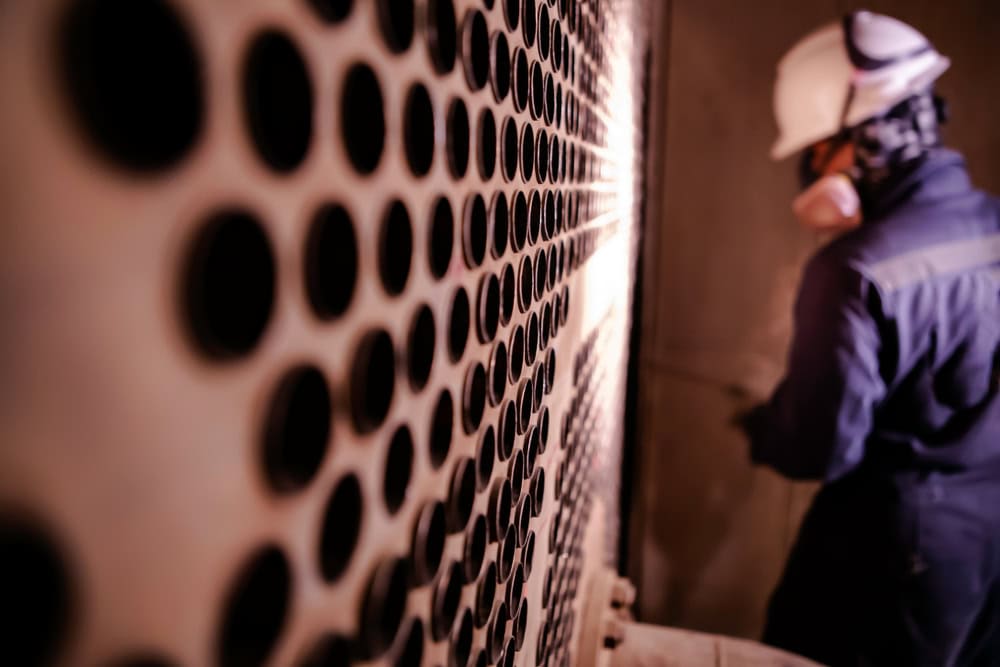
Our coded welding experience spans pressure vessel repairs, installation of pipework, boiler and heat exchanger re-tubing, boiler furnace repairs and much more. Benefit from 24/7 emergency response, and all coded welding witnessed and NDT for your records and audit requirements.
Don’t Take Risks with Critical Welding Work
Certain applications require different types of welding to comply with industry standards and ensure the safety of industrial, heavy-duty applications. Coded welding is what you’ll need and DK Welding Services Ltd is here to help. Call us on 07749 201 728 to discuss your coded welding tasks or receive a free quote using our contact form.
We don’t stop at coded welding, our services also include: