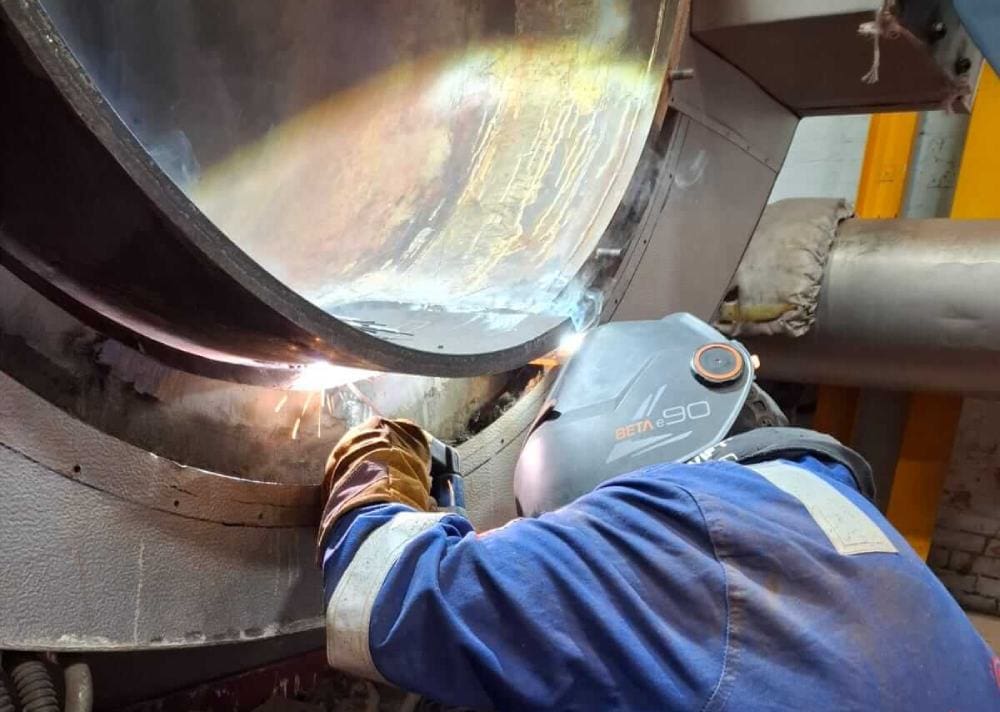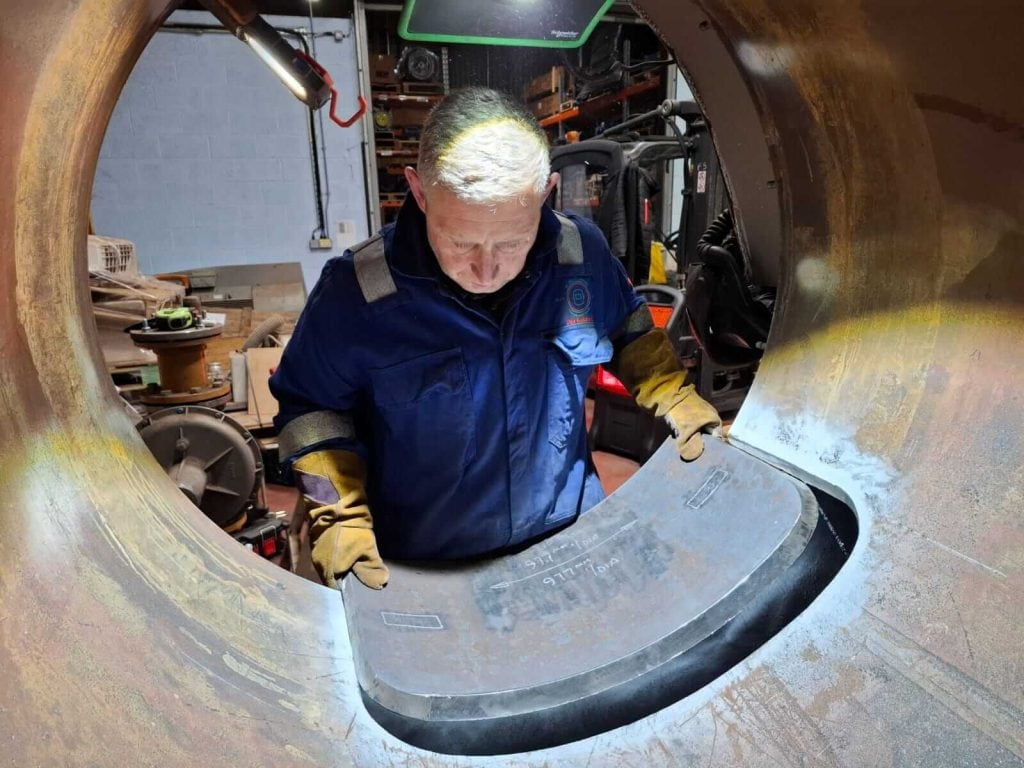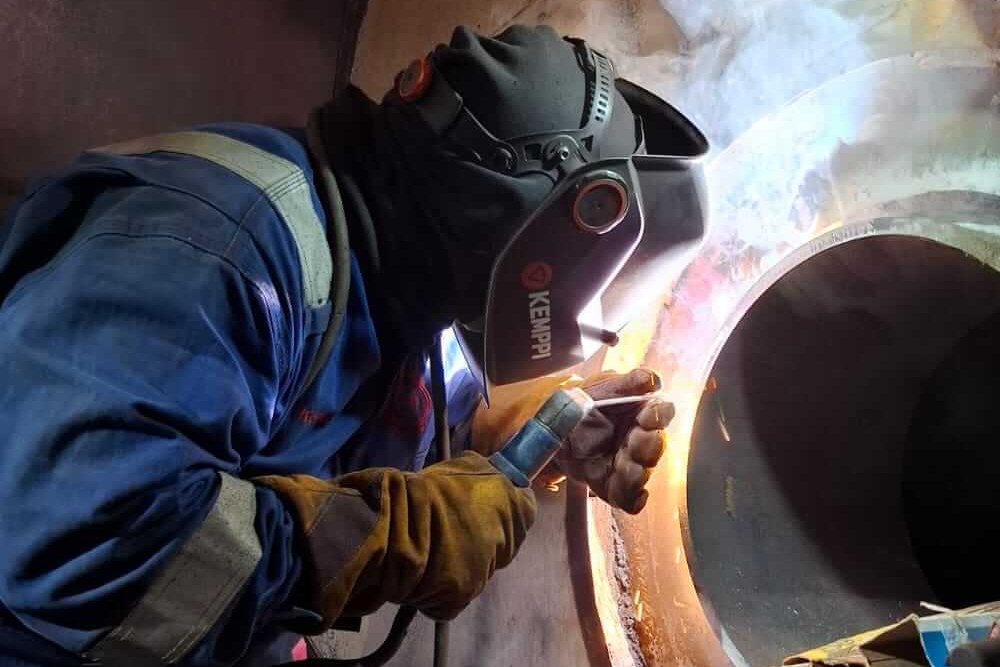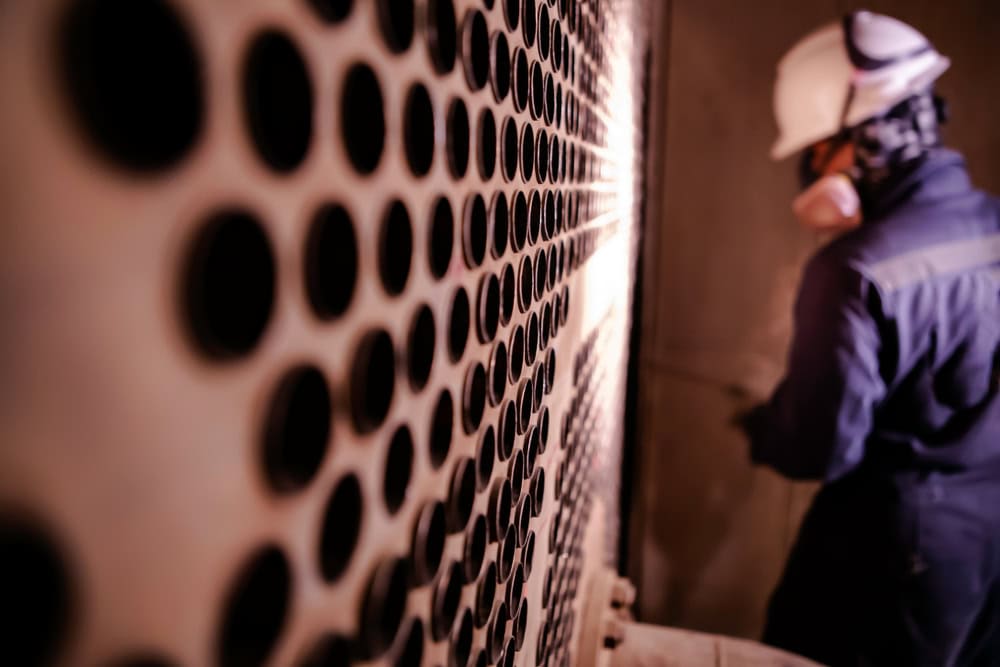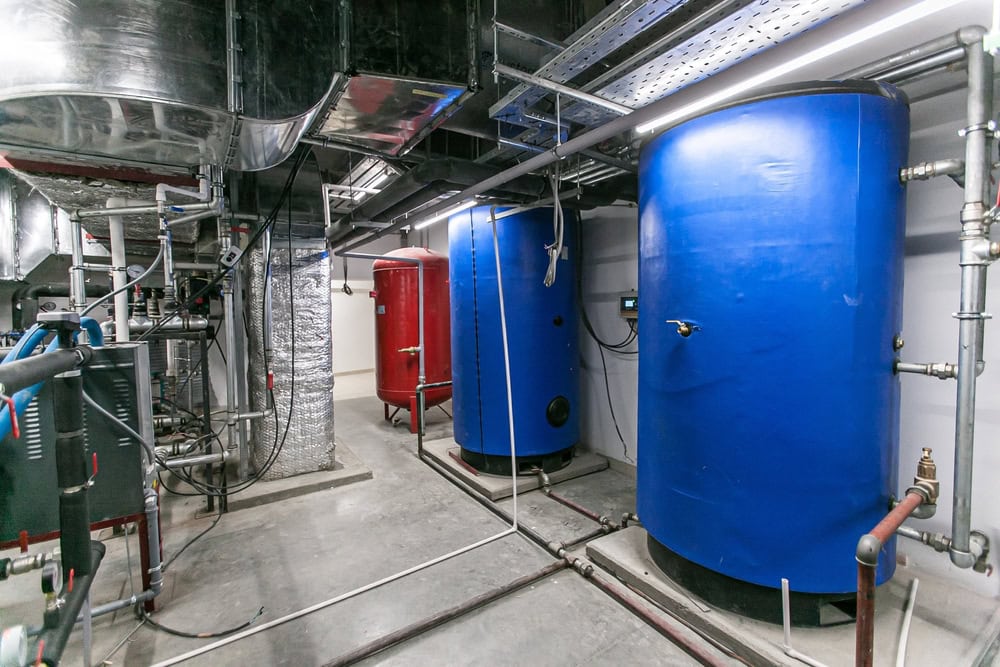
Commercial and industrial boiler systems need to operate under demanding conditions. Industrial boilers found in manufacturing facilities, power plants and environments requiring large-scale heating place require protection from extreme heat stress, corrosive gases, thermal cycling and mechanical abrasion.
In comes boiler refractories, which are protective materials that shield the metal components of boilers from these damaging stresses. In addition to protecting the boiler components and providing insulation, refractory materials also help improve reliability and thermal efficiency. Whether it’s installing a refractory for a new industrial system or you need experts to carry out a boiler refractory repair procedure, the importance of a functioning refractory shouldn’t be understated.
What Is Refractory and Where It’s Used
Refractory is a heat-resistant material installed inside or around boiler components, protecting them from extreme high temperatures, mechanical wear from constant operation and chemical corrosion.
Refractory for industrial boilers is made from certain materials, with these chosen to suit specific boiler units and types. The most common refractory materials for industrial boilers used include:
- Refractory castables – concrete mainly applied for combustion chambers and supplied as dry mixes
- Cement – used for CFB cyclones and other high-wear zones, and used where abrasion and thermal shock resistance are needed
- Ceramic fibre – composed of alumina and silica and commonly used in furnaces to minimise heat loss
- Fire brick – standard refractory linings for combustion chambers, burners and expansion joints, these provide stability and are best of areas requiring easy replacement
These different refractory materials will be used for a wide range of boiler systems. Industrial process boilers, Circulating Fluidized Bed (CFB) boilers, coal-fired systems, biomass boilers and recovery boilers all will use different materials to meet certain demands.
Key Reasons Refractory Is Important
Thermal Protection
Refractory materials act as a critical barrier between extreme internal temperatures and the structural components of a boiler or furnace. By withstanding and containing intense heat, they prevent the underlying steel shell from reaching temperatures that could cause it to weaken, deform or even fail. Without this protection, repeated exposure to high heat can lead to warping, cracking and long-term structural damage.
Energy Efficiency
A well-designed boiler refractory lining significantly reduces heat loss by keeping thermal energy contained within the combustion chamber. This helps maintain consistent and stable combustion temperatures, which improves the efficiency of the system. When less heat escapes thanks to refractory, less fuel is required to sustain operations, resulting in lower energy consumption and operating costs.
Mechanical and Chemical Resistance
Refractory materials are engineered to withstand very harsh operating conditions, including mechanical wear and chemical attack. Refractory protects internal surfaces from abrasive particles in fuels such as ash or unburned solids, as well as from slag buildup. At the same time, they resist corrosion caused by aggressive flue gases and chemical byproducts of combustion. This dual resistance helps preserve the integrity of boiler walls and other internal components that would otherwise degrade quickly.
Boiler Reliability and Safety
Industrial boiler systems undergo consistent high stress, so refractory linings play a key role in maintaining safe and reliable operation. They help prevent the formation of hot spots that can overstress metal components and lead to premature failure. This reduces the likelihood of unexpected breakdowns and costly unplanned shutdowns. Perhaps more importantly, refractories maintain proper insulation and protection, lowering the risk of safety hazards and providing a more secure working environment for employees and equipment.
Consequences of Neglected or Poor Refractory
With the main responsibilities of refractory to provide stability, thermal resistance, shock resistance and chemical resistance, the main consequences of neglected or poor boiler refractory can be devastating.
When refractory materials degrade or are improperly installed, their ability to insulate and protect critical boiler components rapidly diminishes. This often leads to excess heat loss, reducing overall system efficiency and increasing fuel consumption. As internal temperatures become less controlled, metal components can overheat, accelerate wear, distortion and structural failure.
The consequences of neglecting a boiler refractory increases the likelihood of unplanned downtime. The boiler refractory repair procedure isn’t a quick fix either, so any unexpected failures will disrupt operations until the repair is made.
Why Professional Refractory Installation Matters
Refractory installation is not just about choosing the right materials, it’s a precise process that directly affects long-term performance and durability.
Correct material selection is essential, as different boiler types and operating conditions require specific refractory properties, such as thermal resistance, chemical stability and mechanical strength.
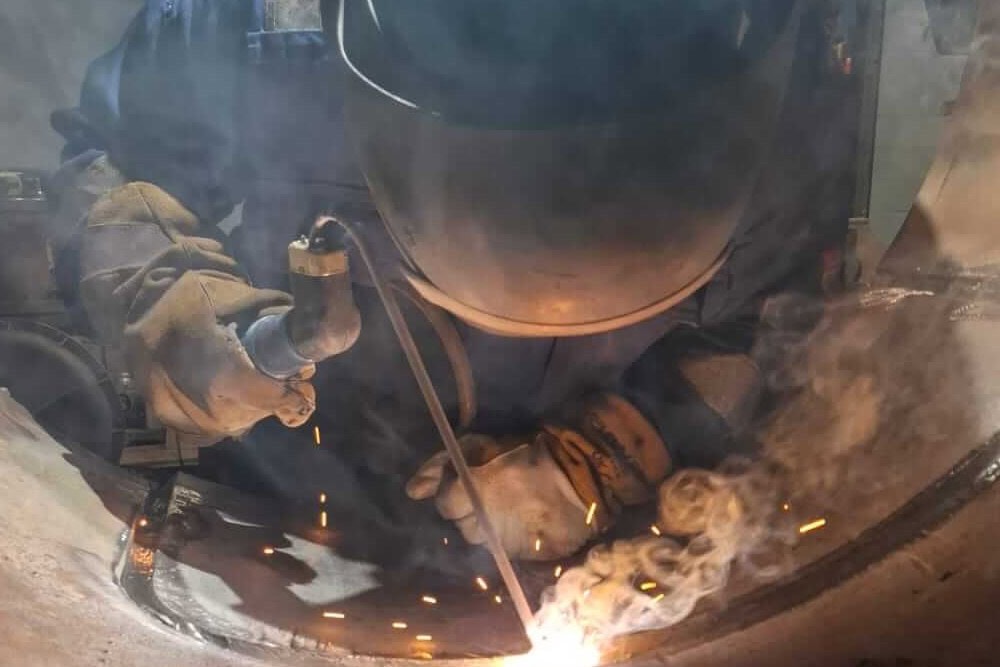
Curing is another critical stage. Improper curing can cause cracking, reduced strength and early failure, undermining the entire installation. Professional refractory installation also ensures compliance with safety standards and industry regulations. Experienced specialists, like the team at DK Welding Services Ltd, follow strict inspection routines during and after installation, identifying potential issues before they become costly problems.
How DK Welding Services Ltd Can Help
Benefit from expert boiler refractory installation from the team at DK Welding Services Ltd. Our services are available nationwide, and include pre-casting refractory shapes for unique industrial boiler systems, proper material selection as well as pre-assessments and preparation before installation.
Our services ensure your refractory does more than insulation; we ensure it’s foundational to boiler efficiency, safety and longevity. Get in touch to discuss your boiler refractory installation, servicing or repair requirements, and we’ll provide a free quote.