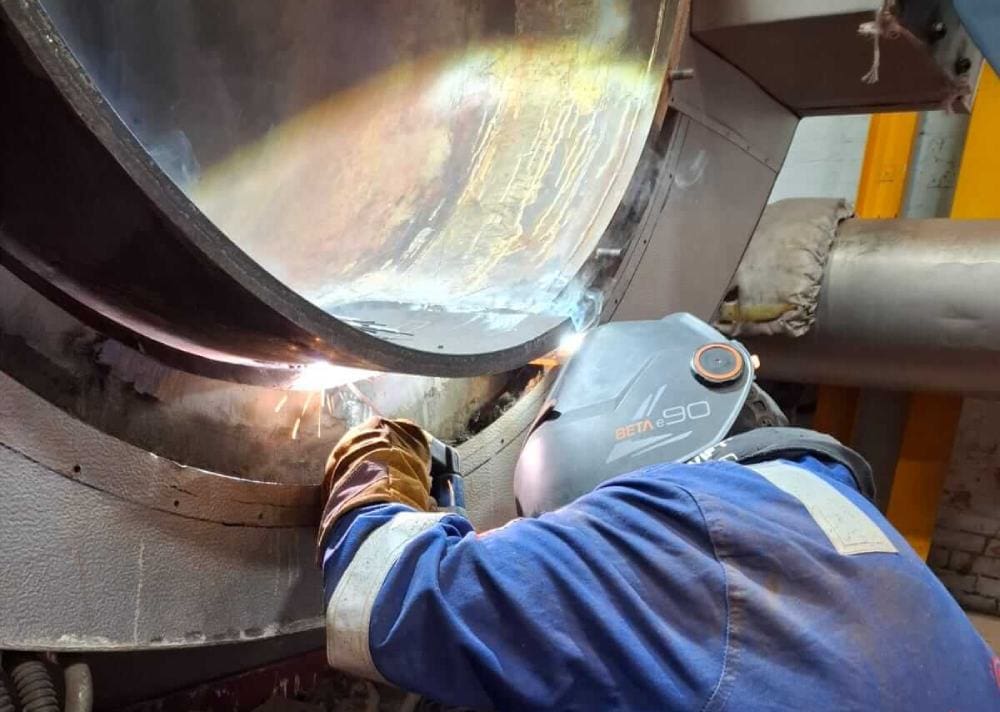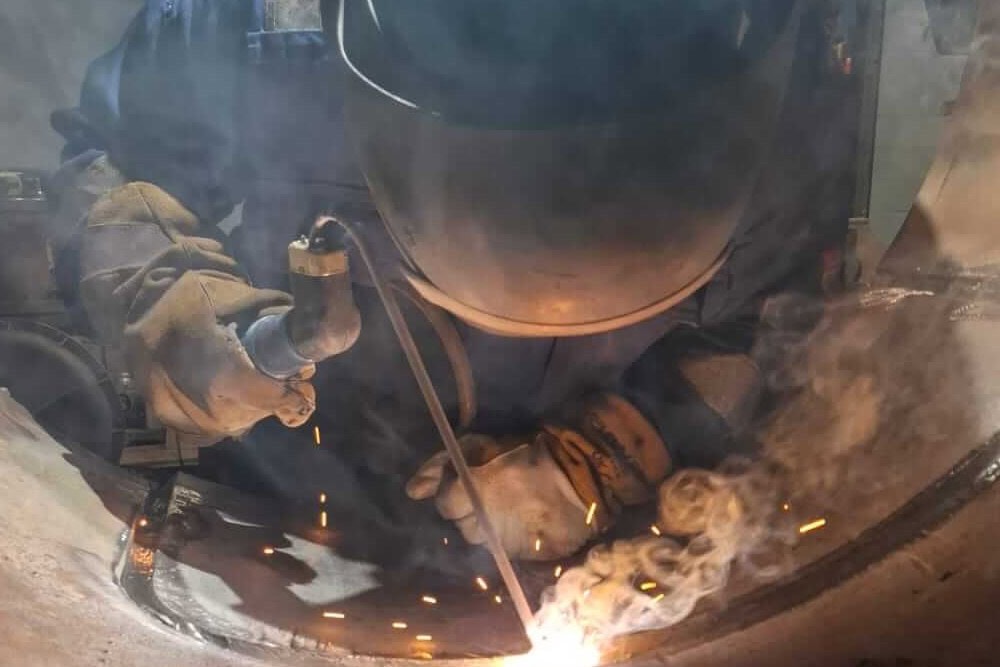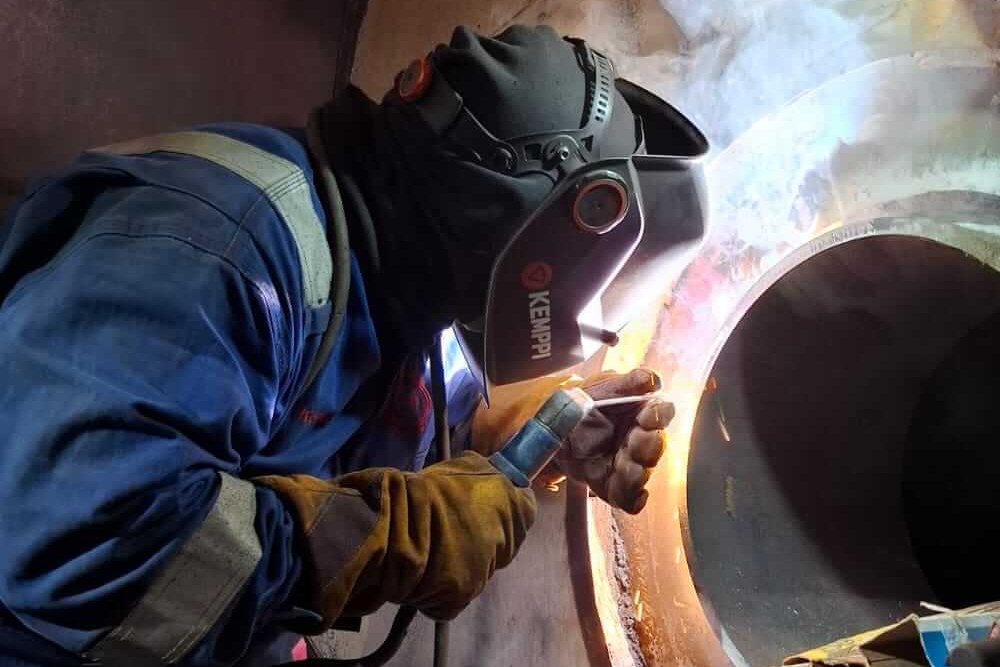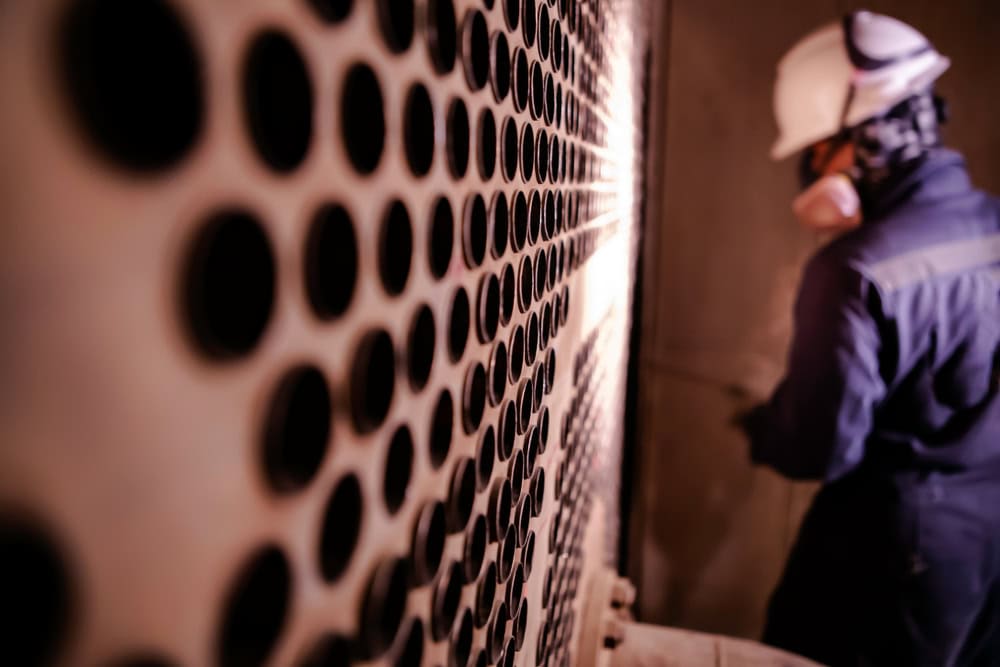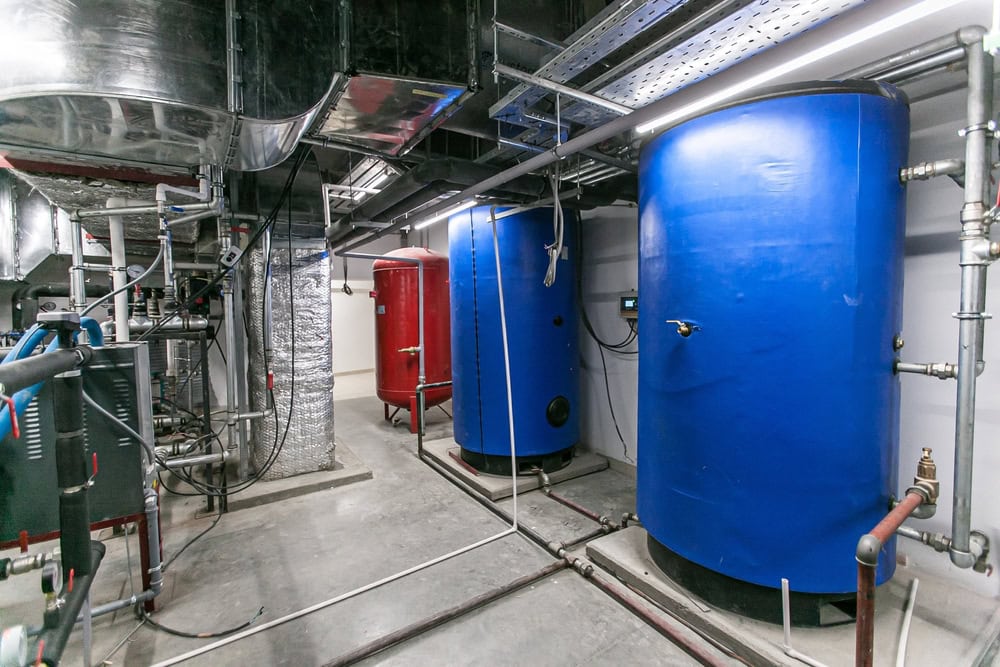
Non-destructive testing (NDT) is vital for commercial premises with industrial boiler systems, and validates the integrity of welds, cladding, insulation and access points of industrial boilers and pressure systems. An NDT inspection must take place every 5 years, but some systems like lifting equipment will require inspections every 6 or 12 months. Inspections ensure high standards of compliance, safety and efficiency for your system. Adhering to the strict NDT inspection standards will help you manage plant safety better, and ensure you have the correct data required for insurance purposes.
DK Welding Services Ltd provides NDT inspection insurance preparation for boiler systems, and this step-by-step guide details what preparation you need to make before the inspection takes place.
Step 1 – Define the Scope of Inspection
Non destructive testing involves several different methods depending on the scope of the inspection and components requiring strict assessment. Common types of NDT include visual tests, ultrasonic testing, radiographic testing, magnetic particle testing and liquid penetrant testing.
Our team at DK Welding Services Ltd understands the requirements needed for each of these methods, and each is suited to test different components, materials and defects. The thing all have in common is that they don’t damage the integrity of any components, and act like a health check for your boilers and pressure systems.
Let’s take a quick look at common reasons each method is used.
- Visual Testing (VT) – initial inspections using the naked eye, cameras or endoscopes to detect surface faults, alignment issues or corrosion.
- Ultrasonic Testing (UT) – uses high-frequency sound waves to detect internal flaws, weld condition and pipelines.
- Radiographic Testing (RT) – X-rays or gamma radiation is used to produce images of dense materials, exposing gaps or cracks that are internal.
- Magnetic Particle Testing (MT) – a permanent magnet, electric coils or handheld electrode prods are used to create a magnetic field to detect flaws on the surface or just beneath the surface of metals. Any defects will disrupt the magnetic field and cause force lines to leak out, marking the location or the problem.
- Liquid Penetrant Testing (PT) – best for non-ferromagnetic materials and components with irregular shapes, a highly fluid liquid is applied to the structure, where it enters cracks. A developer agent is then applied which exposes the defects.
Understanding the type of materials and components that need inspecting will help determine the appropriate non destructive testing method to use.
Step 2 – Gather Documentation
Before the inspection takes place, you will need to gather all relevant documentation concerning the asset. You should ensure you have to hand:
- Past NDT inspection reports
- Blueprints and plans of the asset or system being tested/inspected
- Specifications on component materials
- Acceptance criteria specific to your facility or industry
- Relevant codes or additional regulatory requirements
The relevant documentation is essential for proper planning and to ensure all NDT inspection standards are met. Planning ahead of time by gathering the right information also helps justify the right methods used, and ensures you remain compliant.
Step 3 – Clean and Prepare the Asset
Prior to inspection, NDT preparation will involve cleaning the surface of the asset. As industrial boilers, pressure vessels, welds and pipelines all handle oil, grease and other contaminants, these must be cleaned and removed, otherwise it could negatively affect the reliability of testing methods like magnetic particle inspection and liquid penetrant testing.
NDT inspection standards require for assets to be free of contaminants, so appropriate solvents and cleaning agents will need to be used for the desired result. Also, paint and coatings will also need to be removed if they interfere with the inspection method too.
Our experts at DK Welding Services Ltd will clean welds and prepare all surfaces prior to your inspection as part of our comprehensive service.
Step 4 – Prepare Equipment & Environment Safety
It’s not just the actual system and components that need prep work, the surrounding environment also needs attention. The surrounding area should be free of contamination, and information regarding the location of the asset should also be given prior to inspection.
You need to establish key safety and accessibility protocols, not only to comply with NDT inspection standards but also help make the job easier for the inspector. Optimal inspection conditions should be met before it takes place, so ensure the area is well lit, safe and accessible. Also have the correct PPE and environmental controls in place, otherwise you might have to reschedule the inspection.
Step 5 – Pre-Inspection Meeting
Providing clear communication leading up to the NDT inspection will help improve efficiency of the entire process. Run through the plan with key stakeholders and inspection teams, including safety measures, site-specific procedures and the roles of everyone involved. A pre-inspection meeting is also a good opportunity to confirm all the fine details, like the quantity of items that will be inspected, each components material, the location and size of components and whether or not other operations will need to be put on hold on the booked inspection date.
Step 6 – Support During Inspection
When it comes to the actual NDT insurance inspection, all your prepared work should pay off. During the inspection, the inspector will conduct visual assessments, thickness measurements using methods like UT and MT, and detection of any faults or issues. Data will be collected from images and surface readings that reveal subsurface and surface defects.
While we don’t perform NDT inspections ourselves, DK Welding Services Ltd ensures your systems are fully prepared and ready for insurance inspections.
Step 7 – After the Inspection
So, what happens after non destructive testing inspections? This will depend on the findings outlined in your report. An NDT inspection report will detail any faults or defects found, the impact they could have on safety and efficiency, along with recommended actions you should take. Remedial actions may involve repairs or further maintenance to ensure your systems comply with the right NDT inspection standards. DK Welding Services Ltd will be on hand to support you should you require any repairs or further maintenance etc.
Need to Prepare for an Inspection?
If you have an NDT insurance inspection coming up for your boiler, pressure vessel and their welds, DK Welding Services Ltd can help you prepare. Our professional support can help minimise downtime and maximise your compliance, ensuring all standards are met.
Some of our preparation solutions include communicating on your behalf with the relevant inspection authority, exposing welds, cleaning surfaces, removing and replacing cladding and refractory, and repairing and servicing components like pressure gauges, valves and insulation.
To get fully prepared for inspection and to meet the required NDT inspection standards, get in touch with us today on 07749 201 728 or use our enquiry form to receive a free quote.